

Korean Skincare Routine: A Complete Beginner's Guide (2026)
Korean Skincare Routine: A Complete Beginner's Guide
Korean skincare has become one of the most influential beauty trends worldwide, known for its focus on hydration, healthy skin barriers, innovative ingredients, and achieving naturally radiant-looking skin.
A Korean skincare routine is not about using the most products possible. Instead, it focuses on choosing the right products for your skin type, applying them in the correct order, and consistently supporting your skin's health over time.

While the famous 10-step Korean skincare routine introduced many people to K-beauty, modern Korean skincare is much more flexible. A beginner can build an effective routine with just a few essential steps: cleansing, hydrating, treating specific concerns, moisturizing, and protecting the skin with sunscreen.
In this guide, we will explain what Korean skincare is, the correct order of products, how to build a routine for different skin types, and how to choose the best K-beauty products for your skincare goals.
What Is the Best Korean Skincare Routine for Beginners?
A beginner Korean skincare routine should include five essential steps: cleansing, toning, treating specific concerns with a serum, moisturizing, and applying sunscreen every morning. The goal of Korean skincare is not to use the most products, but to build a consistent routine that supports healthy, hydrated skin.

Unlike approaches that focus only on treating visible skin issues after they appear, Korean skincare emphasizes prevention, gentle care, and long-term skin health.
The Main Principles of Korean Skincare

1. Prevention Over Correction
One of the key ideas behind Korean skincare is preventing future skin concerns by maintaining healthy skin habits every day.
Examples include:
- Using sunscreen daily to help protect against premature signs of aging
- Maintaining hydration to support the skin barrier
- Using gentle cleansers that remove impurities without over-drying the skin
- Introducing active ingredients gradually
This approach helps create a routine focused on maintaining healthier-looking skin rather than constantly reacting to problems.
2. Hydration and Skin Barrier Support
Hydration is one of the foundations of Korean skincare. Many K-beauty products are designed to add multiple layers of lightweight moisture while supporting the skin barrier.
A healthy skin barrier helps the skin retain moisture and better protect itself from external stressors such as weather, pollution, and environmental changes.
Popular barrier-supporting ingredients in Korean skincare include:
- Ceramides
- Panthenol
- Centella Asiatica
- Beta-glucan
- Hyaluronic Acid
3. Gentle and Consistent Skincare
Korean skincare focuses on consistency rather than using aggressive treatments. Many K-beauty routines combine gentle formulas with targeted ingredients to improve the appearance of skin over time.
A simple routine used consistently is often more effective than a complicated routine that is difficult to maintain.
Why Is Korean Skincare So Popular?
The popularity of Korean skincare comes from a combination of innovative ingredients, enjoyable textures, effective formulations, and a strong focus on personalized skincare routines.

Innovative Korean Skincare Ingredients
Korean beauty brands are known for introducing unique ingredients that have gained worldwide popularity. Many of these ingredients focus on hydration, soothing care, brightening, and improving the overall appearance of the skin.
Centella Asiatica
Centella Asiatica, also known as cica, is one of the most popular soothing ingredients in Korean skincare.

It is commonly found in products designed for:
- Sensitive skin
- Redness-prone skin
- Skin barrier support
- Calming skincare routines
Shop Centella Asiatica Skincare →
Snail Mucin
Snail mucin became one of the most recognizable K-beauty ingredients because of its hydrating and skin-conditioning properties.

It is commonly used in products designed to support:
- Dry skin
- Dull-looking skin
- Uneven skin texture
- Skin hydration
Rice Extract
Rice extract is a traditional ingredient that has become popular in modern Korean skincare formulations.

It is often included in products designed to help improve the appearance of:
- Dull complexion
- Uneven tone
- Dehydrated skin
PDRN
PDRN has become one of the fastest-growing ingredients in Korean skincare. It is commonly featured in advanced skincare products focused on hydration, skin renewal routines, and improving the appearance of firmness.

PDRN products are especially popular among customers looking for targeted anti-aging and skin-revitalizing care.
Retinal and Retinol
Vitamin A ingredients such as retinal and retinol are widely used in skincare routines focused on improving the appearance of fine lines, uneven texture, and signs of aging.

Korean skincare brands are known for creating innovative formulas that combine effective ingredients with gentle textures suitable for different skin types.
Shop Korean Retinal & Retinol Skincare →
The Korean Skincare Routine Steps Explained
A traditional Korean skincare routine can include up to 10 steps, but you do not need every step to create an effective routine.

The purpose of each step is to address a specific skincare need. A well-designed routine should be personalized based on your skin type, concerns, and lifestyle.
The general order of a Korean skincare routine is:
- Oil cleanser
- Water-based cleanser
- Toner
- Essence
- Serum or ampoule
- Sheet mask or hydrogel mask
- Eye cream
- Moisturizer
- Sunscreen (morning only)
Step 1: Oil Cleanser (First Cleanse)
The first step of a Korean double cleansing routine is an oil-based cleanser.

Oil cleansers help remove:
- Sunscreen
- Makeup
- Excess sebum
- Oil-based impurities
Because sunscreen and makeup are often oil-based, a regular water-based cleanser may not completely remove them. An oil cleanser helps dissolve these products while preparing the skin for the next cleansing step.
Who Should Use an Oil Cleanser?
Most people can benefit from oil cleansing, especially those who:
- Wear sunscreen daily
- Use makeup products
- Have combination or oily skin
- Live in areas with pollution or environmental stress
Beginner Tip
Do not avoid sunscreen because you are concerned about removing it at night. A proper cleansing routine makes daily SPF use easier and more comfortable.
Step 2: Water-Based Cleanser (Second Cleanse)
The second cleansing step uses a water-based cleanser to remove remaining impurities such as sweat, dirt, and residue left after the first cleanse.
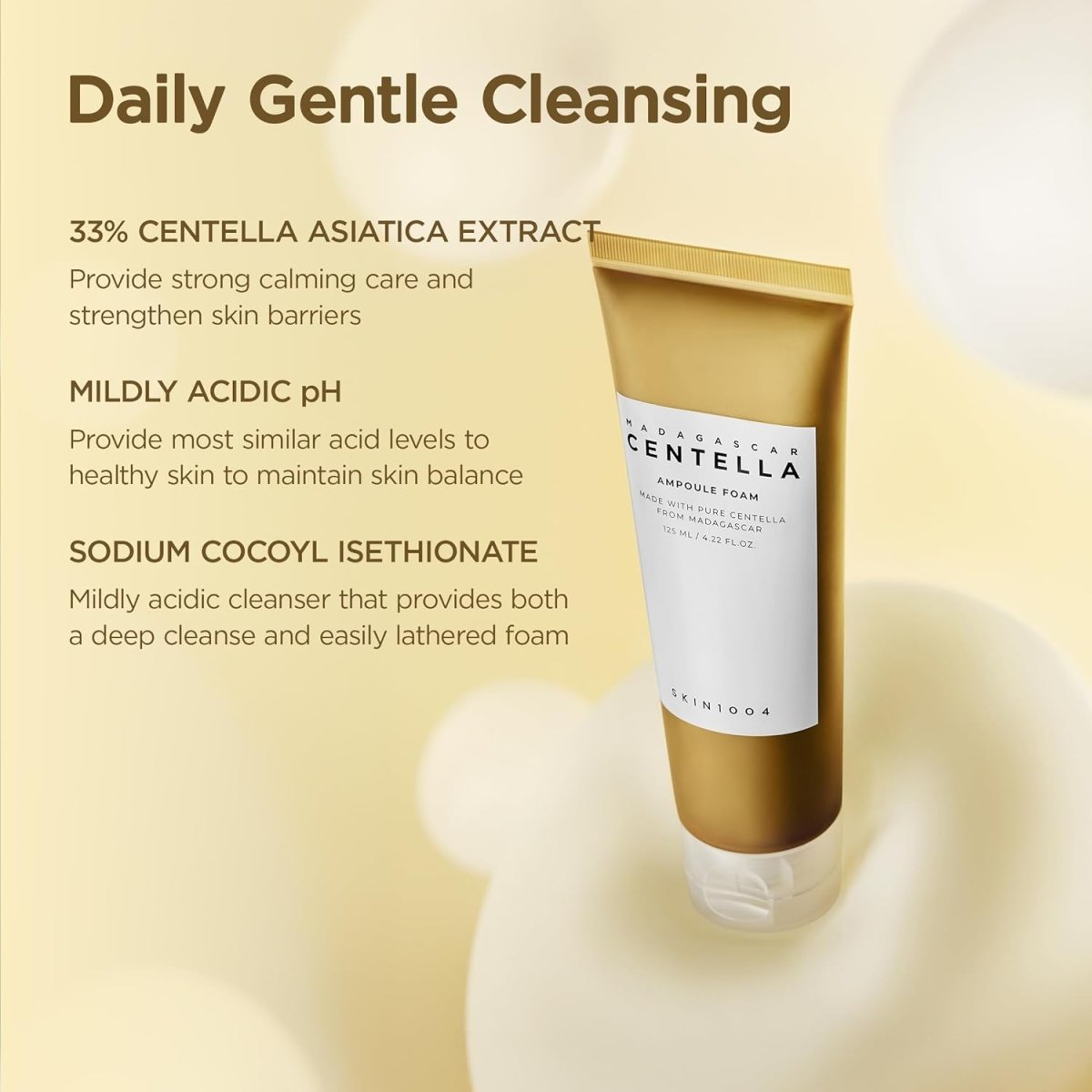
A good Korean cleanser should leave your skin feeling clean but comfortable.
Avoid cleansers that leave your skin feeling:
- Tight
- Dry
- Uncomfortable
These sensations may indicate that the cleanser is removing too much moisture from your skin barrier.
Step 3: Korean Face Toner
Modern Korean toners are very different from traditional alcohol-based toners that focused mainly on removing excess oil. In K-beauty routines, toners are usually designed to hydrate, balance, and prepare the skin for the next steps.
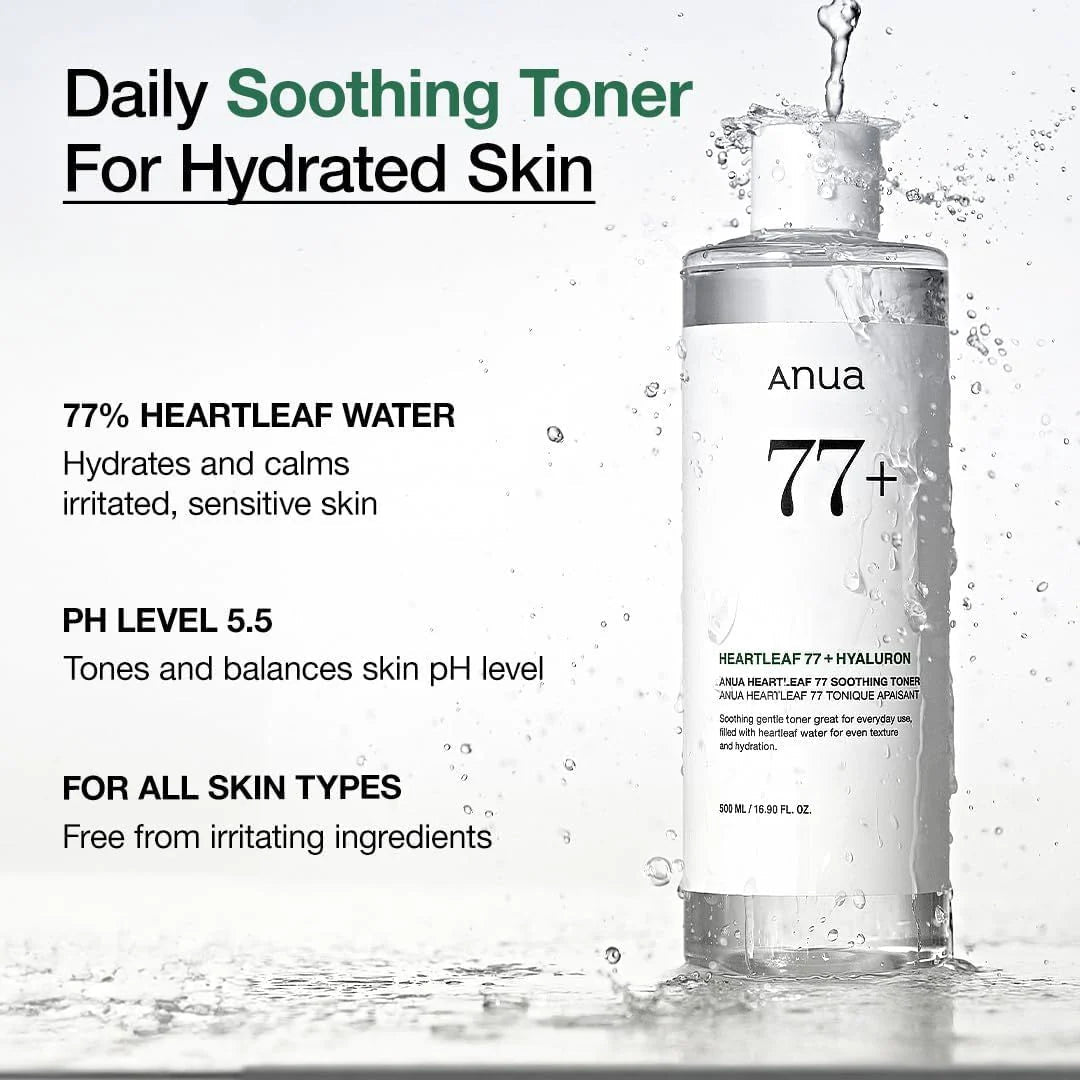
A Korean toner can help:
- Add an initial layer of hydration
- Support the skin barrier
- Improve skin comfort after cleansing
- Prepare the skin to receive serums and moisturizers
Common Ingredients in Korean Toners
- Heartleaf: Popular for soothing and calming skincare routines
- Centella Asiatica: Helps support sensitive and irritated-looking skin
- Rice Extract: Often used in brightening and hydrating formulas
- Hyaluronic Acid: Helps attract and retain moisture
For beginners, a hydrating toner is often one of the easiest ways to introduce Korean skincare into your routine.
Step 4: Essence
Essence is one of the most unique steps in Korean skincare. It is a lightweight, concentrated product designed to add hydration and support the overall appearance of the skin.

While toner prepares the skin after cleansing, essence focuses on providing additional nourishment and hydration before applying targeted treatments.
What Does an Essence Do?
A Korean essence can help:
- Increase hydration
- Improve skin texture
- Support a radiant-looking complexion
- Create a smoother base for serums and moisturizers
Essences are especially popular among people looking to achieve the healthy, glowing appearance often associated with Korean glass skin.
Step 5: Serum or Ampoule
Serums and ampoules are the treatment-focused steps of a Korean skincare routine. These products contain concentrated ingredients designed to address specific skin concerns.

Unlike basic hydration products, serums allow you to customize your routine based on your individual goals.
Choosing a Korean Serum Based on Your Skin Concern
For Dark Spots and Uneven Skin Tone
Look for ingredients that support a brighter and more even-looking complexion, such as:
- Niacinamide
- Vitamin C
- Tranexamic Acid
- Rice Extract
For Acne-Prone Skin
Look for ingredients that support clearer-looking skin and help maintain balance:
- Niacinamide
- Centella Asiatica
- Heartleaf
- Tea Tree
For Dry or Dehydrated Skin
Hydrating ingredients can help improve the appearance of dry, tight, or dull-looking skin:
- Hyaluronic Acid
- Snail Mucin
- Panthenol
- Beta-Glucan
For Anti-Aging Care
Korean skincare offers many advanced formulas featuring ingredients commonly used in routines focused on firmness and skin texture.
- Retinal
- Retinol
- PDRN
- Peptides
- Collagen-supporting ingredients
Explore Lakinza's collection of Korean Serums to discover targeted formulas for different skin concerns.
Shop The Highest-rated Korean Serums →
Step 6: Sheet Masks and Hydrogel Masks
Face masks are one of the most recognizable parts of Korean skincare. They provide an easy way to add concentrated ingredients and extra hydration to your routine.

There are two main types of Korean face masks:
- Traditional fabric sheet masks
- Hydrogel masks
Traditional Korean Sheet Masks
Sheet masks are made from materials such as cotton, cellulose, or microfiber and are soaked with a concentrated essence.
They are popular because they are:
- Convenient
- Affordable
- Available for many skin concerns
- Easy to add into weekly skincare routines
Korean Hydrogel Masks
Hydrogel masks use a gel-like material that closely adheres to the skin. They are often formulated with advanced ingredients such as collagen, PDRN, peptides, and hyaluronic acid.
Hydrogel masks are especially popular for:
- Deep hydration
- Glass skin routines
- Plumper-looking skin
- Premium at-home skincare treatments
For a detailed comparison, read our guide: Korean Hydrogel Masks vs Sheet Masks: Which Is Better?
Explore Lakinza's collections of Korean Hydrogel Masks and Korean Sheet Masks.
Step 7: Eye Cream
Eye cream is an optional but popular step in many Korean skincare routines. The skin around the eyes is thinner and can experience dryness, fine lines, and signs of fatigue.

Eye creams are often formulated with ingredients designed to support:
- Hydration around the eye area
- The appearance of fine lines
- A brighter-looking eye area
- A smoother skin texture
Do Beginners Need Eye Cream?
Not necessarily. If you are creating your first Korean skincare routine, focus first on the essential steps:
- Cleanser
- Toner
- Serum
- Moisturizer
- Sunscreen
Eye cream can be added later depending on your skincare goals.
Step 8: Moisturizer
Moisturizer is one of the most important steps in any Korean skincare routine because it helps seal in hydration and support the skin barrier.
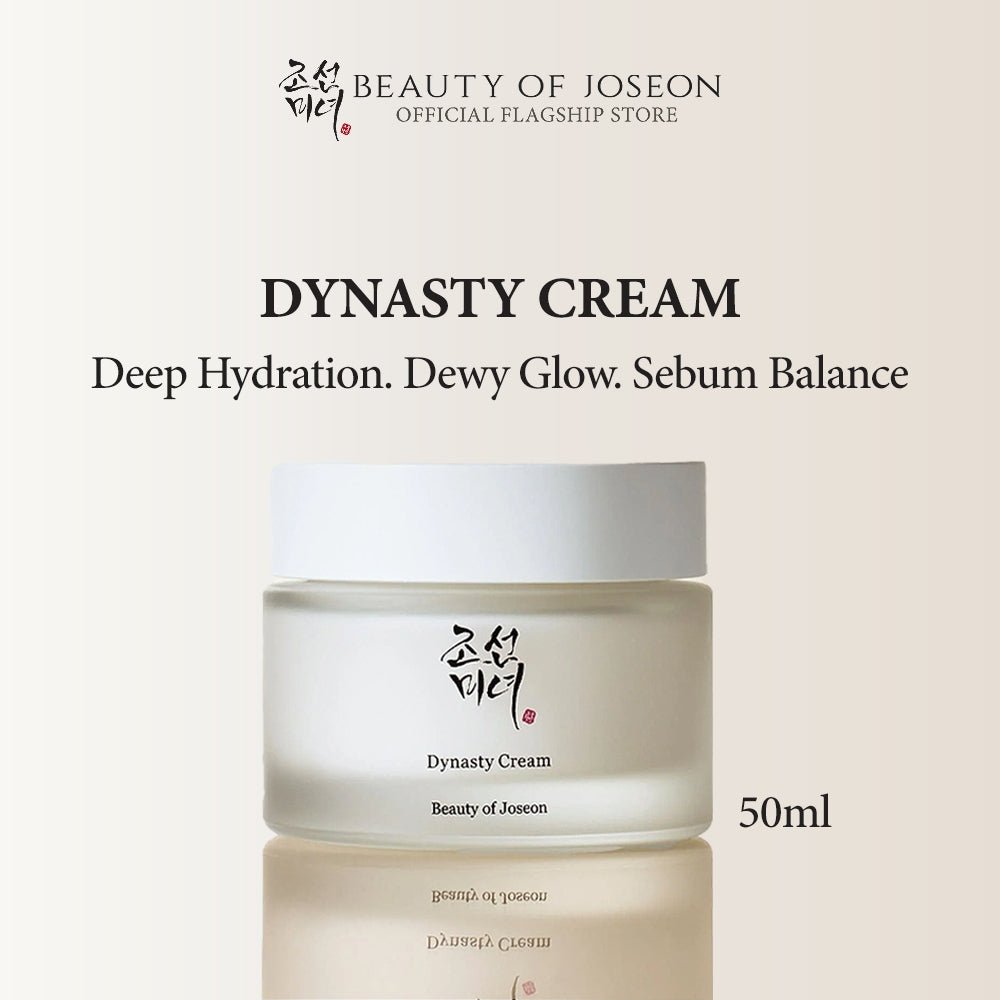
Korean moisturizers come in different textures to suit different skin types:
- Lightweight gel creams for oily or combination skin
- Lotion textures for normal skin
- Rich barrier creams for dry or sensitive skin
How to Choose a Korean Moisturizer
Consider your skin type and current concerns.
Dry Skin
Look for nourishing ingredients such as:
- Ceramides
- Snail mucin
- Shea butter
- Panthenol
Oily Skin
Choose lightweight formulas with ingredients such as:
- Niacinamide
- Green tea
- Centella
Sensitive Skin
Look for barrier-supporting ingredients:
- Ceramides
- Centella Asiatica
- Mugwort
- Panthenol
Shop The Highest-rated Korean Moisturizer →
Step 9: Sunscreen (Morning Routine Only)
Sunscreen is the final and most important step of a Korean morning skincare routine.

Daily sunscreen use helps protect the skin from UV exposure, which is one of the major contributors to premature signs of aging and uneven skin tone.
Why Are Korean Sunscreens So Popular?
Korean sunscreens have gained worldwide popularity because many formulas combine strong sun protection with lightweight textures that feel comfortable on the skin.
Many Korean sunscreens are known for:
- Lightweight textures
- No heavy greasy feeling
- Elegant finishes under makeup
- Hydrating ingredients
Explore Lakinza's collection of Korean Sunscreens.
Do You Really Need a 10-Step Korean Skincare Routine?
The famous 10-step Korean skincare routine helped introduce K-beauty to the world, but modern Korean skincare is not about following a fixed number of steps.

A successful skincare routine matches your skin type, concerns, lifestyle, and budget. Using more products does not automatically mean better results.
For many beginners, a simple routine with a few carefully selected products is enough to build healthy skincare habits.
The Essential Korean Skincare Routine for Beginners

If you are new to Korean skincare, start with these five essential steps:
- Cleanser: Removes sunscreen, makeup, oil, and impurities.
- Toner: Adds hydration and prepares the skin.
- Serum: Targets specific concerns such as dryness, dark spots, acne, or signs of aging.
- Moisturizer: Locks in hydration and supports the skin barrier.
- Sunscreen: Protects the skin every morning.
Once your skin adjusts, you can gradually add additional products such as essences, masks, eye creams, or targeted treatments.
Morning vs Night Korean Skincare Routine
Your skin has different needs during the day and at night. A Korean skincare routine can be adjusted depending on the time of day.

Morning Korean Skincare Routine
The goal of a morning routine is to hydrate the skin and protect it from environmental stress.
- Gentle cleanser (optional depending on skin type)
- Toner
- Essence
- Serum or ampoule
- Moisturizer
- Sunscreen
Night Korean Skincare Routine
The evening routine focuses on removing daily buildup and supporting skin recovery.
- Oil cleanser (especially if wearing sunscreen or makeup)
- Water-based cleanser
- Toner
- Essence
- Serum or treatment
- Sheet mask or hydrogel mask (optional)
- Moisturizer
Nighttime is also when many people introduce targeted ingredients such as retinal, retinol, exfoliating acids, or intensive hydration treatments.
Korean Skincare Routine by Skin Type
The best Korean skincare routine is not the same for everyone. Your skin type and concerns should determine which ingredients and products you choose.
Korean Skincare Routine for Dry Skin
Dry skin often needs extra hydration and barrier support. The goal is to reduce moisture loss and create a comfortable, nourished-looking complexion.

Recommended Ingredients for Dry Skin
- Hyaluronic Acid
- Ceramides
- Snail Mucin
- Panthenol
- Beta-Glucan
- Glycerin
Ideal Routine Structure
- Gentle hydrating cleanser
- Moisturizing toner
- Hydrating essence
- Nourishing serum
- Barrier-supporting moisturizer
- Daily sunscreen
Avoid using too many harsh exfoliating products at the same time, as this can make dryness more noticeable.
Explore Lakinza's collection of Korean Skincare for Dry Skin.
Korean Skincare Routine for Oily Skin
Oily skin still needs hydration. A common mistake is using overly drying products that can disrupt the skin barrier and make the skin feel unbalanced.
Recommended Ingredients for Oily Skin
- Niacinamide
- Green Tea
- Centella Asiatica
- Heartleaf
- Lightweight Hyaluronic Acid
Ideal Routine Structure
- Gentle cleanser
- Lightweight toner
- Balancing serum
- Oil-free or gel moisturizer
- Lightweight sunscreen
The goal is not to remove all oil from the skin, but to maintain a healthy balance.
Explore Lakinza's collection of Korean Skincare for Oily Skin.
Korean Skincare Routine for Sensitive Skin
Sensitive skin often benefits from simple routines with gentle, soothing ingredients. Introducing too many new products at once can make it difficult to identify what works for your skin.
Recommended Ingredients for Sensitive Skin
- Centella Asiatica
- Mugwort
- Panthenol
- Ceramides
- Heartleaf
Sensitive Skin Routine Tips
- Choose fragrance-free formulas when possible
- Add new products one at a time
- Prioritize barrier support
- Avoid over-exfoliating
Explore Lakinza's collection of Korean Skincare for Sensitive Skin.
Korean Skincare Routine for Acne-Prone Skin
A Korean skincare routine for acne-prone skin should focus on maintaining balance, supporting the skin barrier, and choosing ingredients suitable for blemish-prone skin.

Recommended Ingredients for Acne-Prone Skin
- Niacinamide
- Centella Asiatica
- Heartleaf
- Tea Tree
- Salicylic Acid
Important Acne Skincare Tips
- Avoid harsh cleansing routines
- Do not skip moisturizer
- Use sunscreen daily to help prevent post-acne marks from becoming more noticeable
- Introduce active ingredients gradually
Explore Lakinza's collection of Korean Skincare for Acne-Prone Skin.
Korean Skincare Routine for Mature Skin
Korean skincare for mature skin focuses on hydration, improving the appearance of firmness, and supporting smoother-looking skin.

Recommended Ingredients for Mature Skin
- Retinal
- Retinol
- PDRN
- Peptides
- Collagen-supporting ingredients
- Antioxidants
Ideal Routine Structure
- Gentle cleanser
- Hydrating toner or essence
- Targeted serum
- Nourishing moisturizer
- Daily sunscreen
Consistency is one of the most important factors when building an anti-aging skincare routine.
Explore Lakinza's collection of Korean Anti-Aging Skincare.
Korean Skincare Routine for Canadian Weather
One of the advantages of shopping from a Canadian Korean skincare retailer is understanding how products perform in local conditions. Canadian weather can be challenging for the skin, with cold winters, dry indoor heating, seasonal changes, and varying humidity levels across different regions.
A Korean skincare routine can be adapted throughout the year by changing product textures, hydration levels, and active ingredients based on your skin's needs.
Korean Skincare Routine for Canadian Winters
Canadian winters can often lead to dry, tight, and uncomfortable skin due to cold temperatures and indoor heating.

During winter months, focus on:
- Supporting the skin barrier
- Adding more hydration layers
- Using richer moisturizers
- Avoiding over-cleansing
Recommended Winter Skincare Ingredients
- Ceramides
- Hyaluronic Acid
- Snail Mucin
- Panthenol
- Centella Asiatica
- Beta-Glucan
A winter Korean skincare routine may include a more nourishing moisturizer, hydrating serum, and occasional hydrogel mask to help maintain comfortable, hydrated-looking skin.
Explore Lakinza's collection of Korean Winter Skincare.
Korean Skincare Routine for Canadian Summers
During warmer months, many people prefer lightweight formulas that provide hydration without feeling heavy.

Summer skincare priorities include:
- Lightweight hydration
- Daily sun protection
- Oil balance
- Soothing care after sun exposure
Recommended Summer Skincare Ingredients
- Centella Asiatica
- Heartleaf
- Niacinamide
- Green Tea
- Lightweight Hyaluronic Acid
Regardless of the season, sunscreen remains one of the most important steps in a Korean skincare routine.
Explore Lakinza's collection of Korean Summer Skincare.
Common Korean Skincare Mistakes Beginners Make
Starting a Korean skincare routine can be exciting, but using too many products too quickly can make it difficult to understand what works for your skin.
Mistake 1: Starting Too Many Products at Once
While Korean skincare offers many exciting products, introducing multiple new products at the same time can make it difficult to identify which products benefit your skin.
A better approach is to start with essential steps and gradually add targeted treatments.
Mistake 2: Thinking More Steps Mean Better Results
A longer routine is not always a better routine. The best skincare routine is one that you can consistently follow.
Many people achieve excellent results with a simple routine that includes:
- A gentle cleanser
- A hydrating toner
- A targeted serum
- A moisturizer
- A sunscreen
Mistake 3: Ignoring Sunscreen
Many skincare ingredients focus on improving the appearance of skin, but daily sun protection is essential for maintaining long-term skin health.
Using sunscreen every morning helps protect against UV exposure and supports a more consistent skincare routine.
Mistake 4: Over-Exfoliating the Skin
Exfoliating ingredients can be useful, but using too many exfoliating products may compromise the skin barrier.
A balanced Korean skincare routine focuses on maintaining healthy skin rather than constantly removing layers from the skin.
Mistake 5: Copying Someone Else's Routine
A skincare routine that works for one person may not work for another. Skin type, climate, lifestyle, and personal concerns all influence which products are suitable.
The best approach is to understand your skin and choose products based on your specific needs.
How Long Does Korean Skincare Take to Work?
Skincare results depend on the product, ingredients, skin condition, and consistency of use.

Some benefits, such as improved hydration and smoother-feeling skin, may be noticeable relatively quickly. Other concerns, such as uneven tone, texture, and signs of aging, usually require longer-term consistency.
General Expectations
- Hydration: Often noticeable within days to weeks
- Skin texture: Usually improves gradually with consistent care
- Dark spots: May require several weeks or months
- Anti-aging concerns: Require long-term consistent routines
The most important factor in Korean skincare is consistency. A simple routine used regularly is often more effective than frequently changing products.
Frequently Asked Questions About Korean Skincare Routines
What order should Korean skincare products go in?
The general order of Korean skincare products is: cleanser, toner, essence, serum or ampoule, sheet mask or hydrogel mask, eye cream, moisturizer, and sunscreen in the morning.
Do beginners need a 10-step Korean skincare routine?
No. Beginners can start with a simple routine containing cleanser, toner, serum, moisturizer, and sunscreen. Additional steps can be added depending on your skin goals.
Is Korean skincare suitable for sensitive skin?
Many Korean skincare products are designed with gentle, soothing ingredients such as centella asiatica, mugwort, heartleaf, and panthenol. However, every person's skin is different, so new products should be introduced gradually.
Can I use Korean skincare products with Western skincare products?
Yes. Korean and Western skincare products can often be combined. The most important factors are ingredient compatibility, product order, and avoiding excessive use of strong active ingredients.
What Korean skincare products should beginners buy first?
A beginner-friendly Korean skincare routine usually starts with:
- A gentle cleanser
- A hydrating toner
- A serum based on your skin concern
- A moisturizer
- A daily sunscreen
What is the best Korean skincare routine for Canadian winters?
For Canadian winters, focus on hydration and barrier support. Products containing ingredients such as ceramides, hyaluronic acid, snail mucin, and panthenol can help support dry and dehydrated-looking skin.
Build Your Korean Skincare Routine With Lakinza
Building a Korean skincare routine does not mean using the most products. It means choosing the right products for your skin type, concerns, and lifestyle.
At Lakinza, we curate authentic Korean skincare products from popular K-beauty brands and help Canadians discover effective routines based on their individual skincare goals.
Whether you are looking for hydration, acne care, brightening solutions, anti-aging ingredients, or sensitive skin support, explore our Korean skincare collections to find products that fit your routine.
 Start your K-beauty journey with Lakinza and discover authentic Korean skincare selected for Canadian skin needs.
Explore Lakinza K-beauty Canada
Top Korean Skincare Brands Available at Lakinza.ca
- Anua – Famous for soothing heartleaf toner.
- COSRX – Acne-fighting and barrier-friendly products.
- Medicube – Dermatologist-tested solutions for pores & wrinkles.
- SKIN1004 – Gentle centella-based care.
- Beauty of Joseon – Hanbang herbal skincare for glow.
- Dr. Melaxin – Advanced anti-aging treatments.
Partager


